
Impact and Commitment

At Juan de La Paz, fashion is a vehicle for cultural, social, and environmental transformation. Our work is grounded in the principle of mutual nurturing (YANAK UYWAÑA), where respect for people, heritage, and the Earth guides every decision. Since 2009, the brand has been collaborating with indigenous artisan communities, cooperatives, and workshops across Bolivia and Peru, transforming noble and sustainable fibers into high-fashion pieces while preserving ancestral knowledge.

Design Innovation & Merit
- Impactful innovation: We have developed our own supra-recycling techniques, merging the craftsmanship of carnival costumes with the finest Latin American artistry. Each year, we recover and repurpose over 300 kg of textiles—including blankets, aguayos, alpaca fibers, and embroidered fabrics—into unique, high-fashion creations.
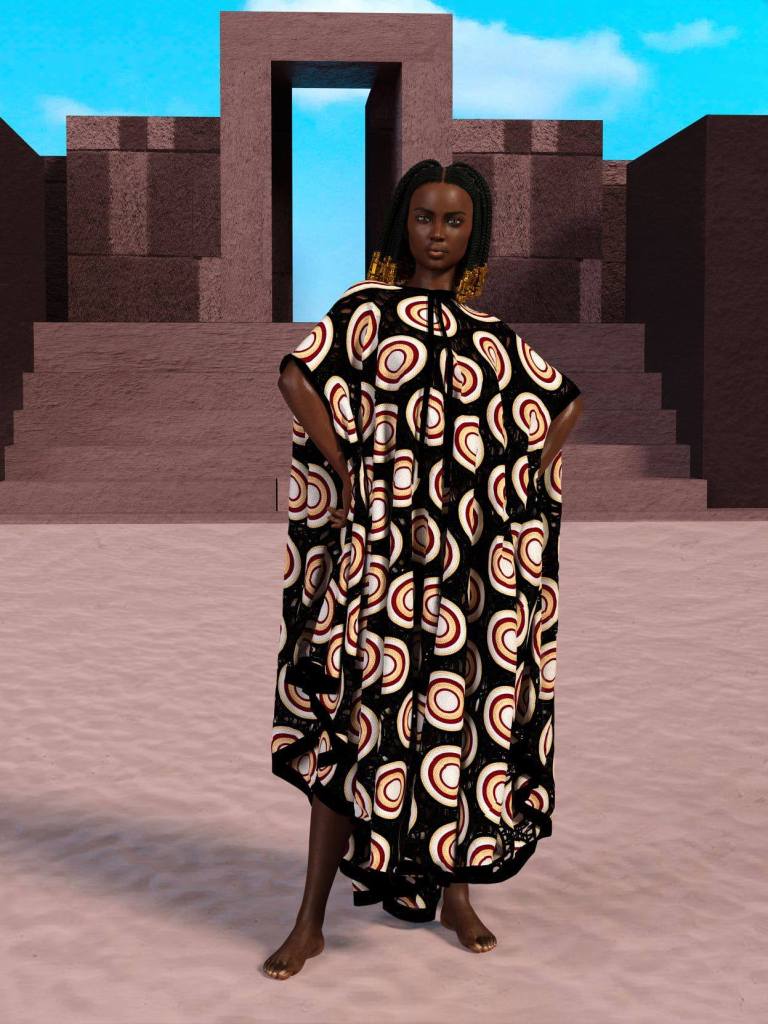
- Point of distinctiveness: Our collections blend ancestral craftsmanship, contemporary design, and digital fashion, offering a new paradigm of luxury that is cultural, ethical, and sustainable.
- Accountability: Every step, from material sourcing to production and promotion, adheres to transparent, traceable, and ethical standards, ensuring positive social and environmental impact.

An example of Creativity, Evolution and Resilience
- We have demonstrated resilience and adaptability by responding to evolving global trends and integrating digital fashion and metaverse experiences into our collections.
- Our creative ecosystem brings together over 50 artisan groups, cooperatives, and indigenous communities, ensuring continuous knowledge exchange and innovation while preserving cultural identity.
Our Contribution to the Latin American Ecosystem
- Innovation in Materials: We have developed our own supra-recycling technique, specially adapted for Andean textiles, which transforms construction remnants from carnival costume making and restores them through the expertise of artisans and embroiderers. At the same time, we continuously pursue innovation in fibers and materials—co-designing new fabrics with indigenous communities in Bolivia, experimenting with alpaca and cotton blends combined with recycled PET yarns from Peru, and collaborating with SENAI CETIQT in Rio de Janeiro on the research and development of sustainable fibers—positioning Latin America as a hub for innovative and responsible textile practices.
- Heritage preservation: By reviving traditional and ancestral textile techniques as embroidery, and weaving, we keep ancestral craftsmanship alive as a living cultural legacy.
- Job creation and economic empowerment: Our collaborations generate sustainable income for over 200 artisans, with a focus on women (95% indigenous) and vulnerable groups, promoting gender equality and community resilience.
- Regional impact: Our operations span Bolivia and Peru, and extend to Brazil through partnerships with Casa do Povo and the Bolivian migrant women’s collective Emprendedoras Sin Fronteras, fostering cross-cultural collaboration.
- DAB Bolivia: Founded in 2013, this pioneering platform promotes fashion education, sustainability, and international projection, producing 9 editions, 10 exhibitions, 20+ workshops, and organizing the National Fashion and Design Awards 2019. Over the years, more than 150 designers, artisans, and entrepreneurs have been part of DAB, shaping the Latin design ecosystem.

Media Impact & Recognition
- Juan de La Paz has received international press coverage from Vogue USA, Vogue UK, Vogue Italia, Vogue México y Latinoamérica, Harper’s Bazaar, Elle, L’Officiel, and Glamour, and has been featured in museums and academic programs globally.
- In 2022, the brand was selected by Edward Enninful for British Vogue’s Global Sustainability Portfolio, a cultural milestone recognized across other international editions of Vogue.
- Our work has been studied as a case of innovation and cultural sustainability in universities across America, Europe, and Asia, including the historic exhibition “Latin American and Latinx Fashion Design Today: ¡Moda Hoy!” at The Museum at FIT.

Environmental and Ethical Practices
- Responsible Sourcing: Our materials come from certified suppliers and sustainable sources, including community-shorn alpaca fibers, upcycled materials such as paiche leather (piracuru), and especially reclaimed vintage and discarded textiles. Every step ensures ethical and traceable practices, turning pre-existing resources into high-value creations while reducing environmental impact.
- Circular economy: We repurpose textiles and implement supra-recycling, reducing waste and transforming discarded fabrics into high-value creations.
- Fair trade & employment ethics: All collaborators are paid fairly and ethically, with traceability in every stage of production.
- Transparency: Full traceability is applied in materials, production, and distribution, providing accountability to artisans, clients, and partners.
- Certificates: The brand ensures that production and sourcing practices meet sustainability and ethical certifications, including fair trade verification with workshops and fiber traceability, providing a fully accountable model of luxury fashion.
- Made-to-order & Zero Waste: Our production model is based on a made-to-order system, ensuring garments are created only when requested. This approach eliminates overproduction, minimizes waste, and guarantees a more sustainable and responsible fashion cycle.

Alignment with the UN Sustainable Development Goals (SDGs)
Juan de La Paz actively contributes to multiple UN SDGs through our ethical, cultural, and environmental practices:
- SDG 5 – Gender Equality: Empowering indigenous women, who make up 95% of our collaborators, fostering leadership and intergenerational transmission of textile skills.
- SDG 8 – Decent Work and Economic Growth: Creating fair and sustainable employment across artisan workshops, cooperatives, and communities.
- SDG 9 – Industry, Innovation, and Infrastructure: Driving innovation in textile techniques, digital fashion, and sustainable production processes, connecting traditional craft with modern technology.
- SDG 10 – Reduced Inequalities: Promoting inclusion of indigenous communities and visibility for LGBTQ+ groups within the fashion ecosystem.
- SDG 11 – Sustainable Cities and Communities: Strengthening local identity and cultural heritage through fashion, education, and public exhibitions.
- SDG 12 – Responsible Consumption and Production: Implementing supra-recycling, repurposing vintage and discarded textiles, and using certified sustainable fibers.
- SDG 13 – Climate Action: Minimizing environmental impact through responsible sourcing, waste reduction, and sustainable material use.
- SDG 17 – Partnerships for the Goals: Building regional and international alliances with public institutions, academia, and civil society, fostering a collaborative network for sustainable fashion.

Through these actions, Juan de La Paz demonstrates that luxury fashion can be local, sustainable, inclusive, and globally impactful, serving as a model of responsible innovation and cultural stewardship.
 JUAN DE LA PAZ